


Nutrition for Acidosis and Pain
Book appointmentHealthy Nutrition – An Important Pillar against Pain
Based on my many years of experience in daily practice as a pain therapist, I am a convinced advocate – not only as a doctor but also privately as a mother – of a holistic approach. This means sustainable, healthy living, taking into account all accompanying factors: psychological, emotional, and physical.
In the healing process of my patients, all essential aspects and possible causes are considered as much as possible (e.g., stress, lack of exercise, over- and incorrect loading, possibly excess weight) – nutrition plays a significant role here and can be easily changed by anyone. Motivation, understanding, and behavioral change are at the forefront.
Just as a house built from brittle bricks and rotten wood will not fulfill its function for long, our body also needs good building materials to experience long-term strength and well-being. "I am what I eat" – this phrase is gaining new significance.
This applies to the sufficient quantity of good individual substances such as vitamins, minerals, amino acids, and secondary plant compounds with their complex functional relationships in the body. The same applies to a balanced ratio of energy carriers: fat, protein, and carbohydrates. And of course, also to limiting harmful substances that we encounter in large numbers today.
Problem of Our Time - Empty Calories

Vergrößern durch Klicken
Health Problems in the 21st Century: The Fast Food of Our Modern Society
Source: Prof. Spitz - Academy for Human Medicine
One of the essential imbalances in our industrialized societies is the intake of large amounts of poor carbohydrates, e.g., in the form of sugar and flour products. The energy supply disorder of cells that usually develops over years in connection with lack of exercise and stress is largely responsible for the development of most so-called civilization diseases.
A re-balancing in this area, in terms of "species-appropriate" nutrition, can usually restore the originally existing balance of cellular energy supply. This repeatedly results in amazing potential for therapeutic help and restoration, especially in chronischen and seemingly incurable diseases.
In the regulation of pain conditions, back problems, joint impairments, and muscular imbalances through optimization of energy metabolism, a sustainable improvement of complaints can be achieved.
Further positive – also important therapeutic – effects can be achieved through targeted nutrition concepts.
Coaching InformationAvoid acidosis: Foods that should be reduced
- •bad fats (trans fatty acids, hardened fats, and long-chain saturated fatty acids)
- •processed meat, farmed meat, farmed fish, and too much animal protein from cow's milk products
- •sugary drinks, too much starch, too much fructose, and short-chain empty carbohydrates
Alkaline diet: Foods that should be increased
- •fruits low in glucose and fructose
- •low-fat organic meat from grass-fed cattle, chicken breast, wild-caught fish, wild herbs
- •prefer carbohydrates that result in a low blood sugar increase (with low glycemic index) such as amaranth, quinoa, millet, black rice, ancient grain forms like waldstaudenkorn
- •unsaturated fatty acids through linseed oil, walnuts, mushrooms, coconut oil, avocado
- •spices
- •goat and sheep milk products
- •incorporate fiber through vegetables and salad into the meal plan. Especially in the evening, you should avoid sugar, sugary drinks, and short-chain carbohydrates.
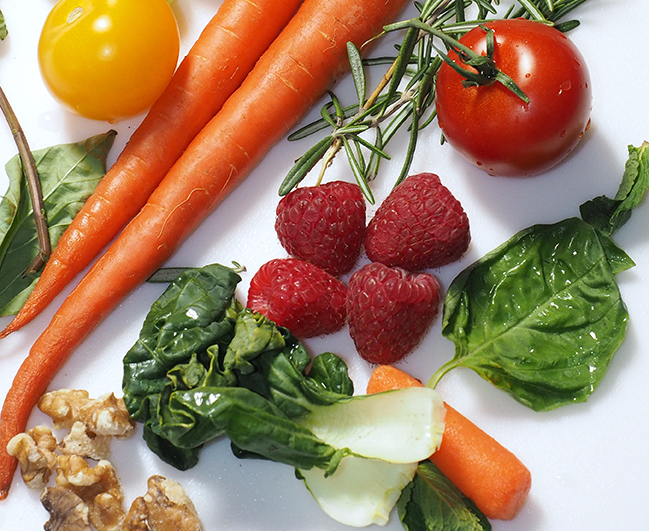
Vergrößern durch Klicken
Gesunde Ernährung mit Mangold
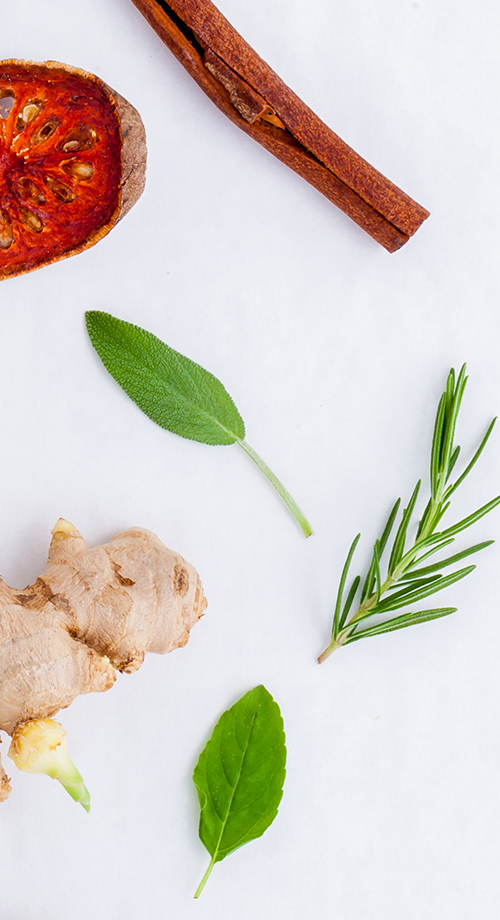
Vergrößern durch Klicken
Gesunde Gewürze
Nutrition success with acidosis and pain
Your metabolism will optimize. You are more productive, sleep better, the therapy generally gains in sustainability and effectiveness.
Unfortunately, many of our available foods today are no longer so nutritious. This results, among other things, from fruit and vegetables often being picked unripe, having to survive long transport routes, and possibly being grown under artificial light or on artificial soils. Today's livestock farming practices also cause high medication loads (e.g., antibiotics) and stress loads (release of stress hormones) in animals, which we as consumers "consume along with".
Our health and immune system "suffer along with it".
The choice of "healthy" foods is a learning or re-learning process.
Our stressful everyday life and various environmental stresses also lead to an increased need for vital substances. Even more so when we are ill, which is massively true for chronically ill pain patients.
Even in animal husbandry, vital substances are used to prevent diseases and breed healthy animals.
The same prerequisites for health and good thriving apply to humans.
In everyday life, most people cannot cover this high demand through food, even if they know how to live healthily.
Furthermore, there is often an increased need for vital substances (stress, sleep deficit, work, no time for quality and freshly prepared food, one-sided preferences/meals, lots of carbohydrates, consumption of preserved or denatured foods, illnesses).
No Pain Without Acid – No Life Without Acid.
I would like to illustrate this directly with an example from practice.
Let's take joint pain: The articular cartilage is supplied passively, i.e., through diffusion via the synovial fluid and not through vessels. The cartilage behaves like a sponge. When it is compressed, fluid is squeezed out, all waste products are automatically released, and when the pressure ends, it fills up again with the surrounding fluid and absorbs all the substances it needs for its nutrition.
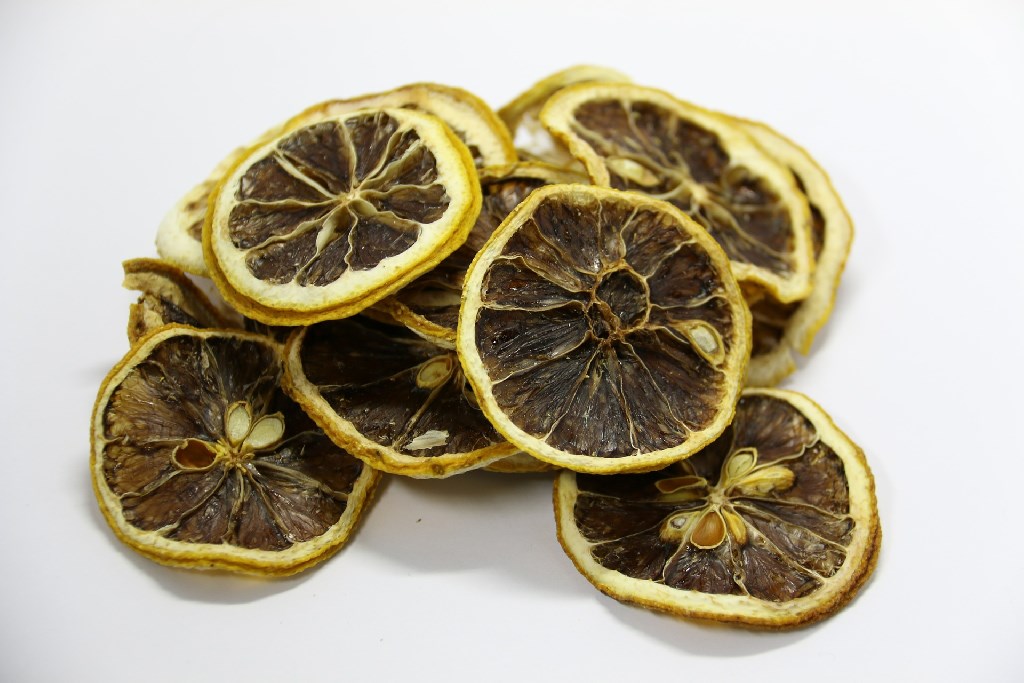
Vergrößern durch Klicken
Getrocknete Zitrone

Vergrößern durch Klicken
Decline of iron, magnesium, selenium and other nutrients in fruits and vegetables

Nutritional Supplements: Useful supplements with acidosis
This topic is not about sense or nonsense. What is too little available or not available in measured values or too low must be balanced. Certainly, the isolated and uncoordinated intake of nutritional supplements is rather poor.
A combination of different – preferably natural – vitamins, minerals, trace elements, antioxidants, amino acids, bioflavonoids, and secondary plant compounds significantly improves bioavailability and has a synergistic effect.
Vital substances are generally compressed food – so eating in a broader sense. They can therefore be taken for a lifetime.
For your needs, I will gladly give you an individual recommendation in practice.
Weight Reduction and its importance with acidosis and pain
I support you in significantly reducing your weight and spare you the usual "kilo frustration". And this through a well-proven, easy-to-implement homeopathically supported metabolic cure:
- •targeted rapid weight loss in problem areas (approx. 10 kg in 3 weeks) – targeted loss of adipose fat (no structural fat, i.e., no sunken face etc., and no protein/muscle or water)
- •your vitality remains through the supply of high-quality bioavailable vital substances even during the cure
- •you have no feeling of hunger
- •you have no health risk from the diet
- •detoxify and cleanse your body
- •improve your skin appearance
- •reprogram your metabolism long-term
- •learn new eating behavior
- •no yo-yo effect
- •easy to implement
- •successful even without exercise

Vergrößern durch Klicken
Gesunde Beeren
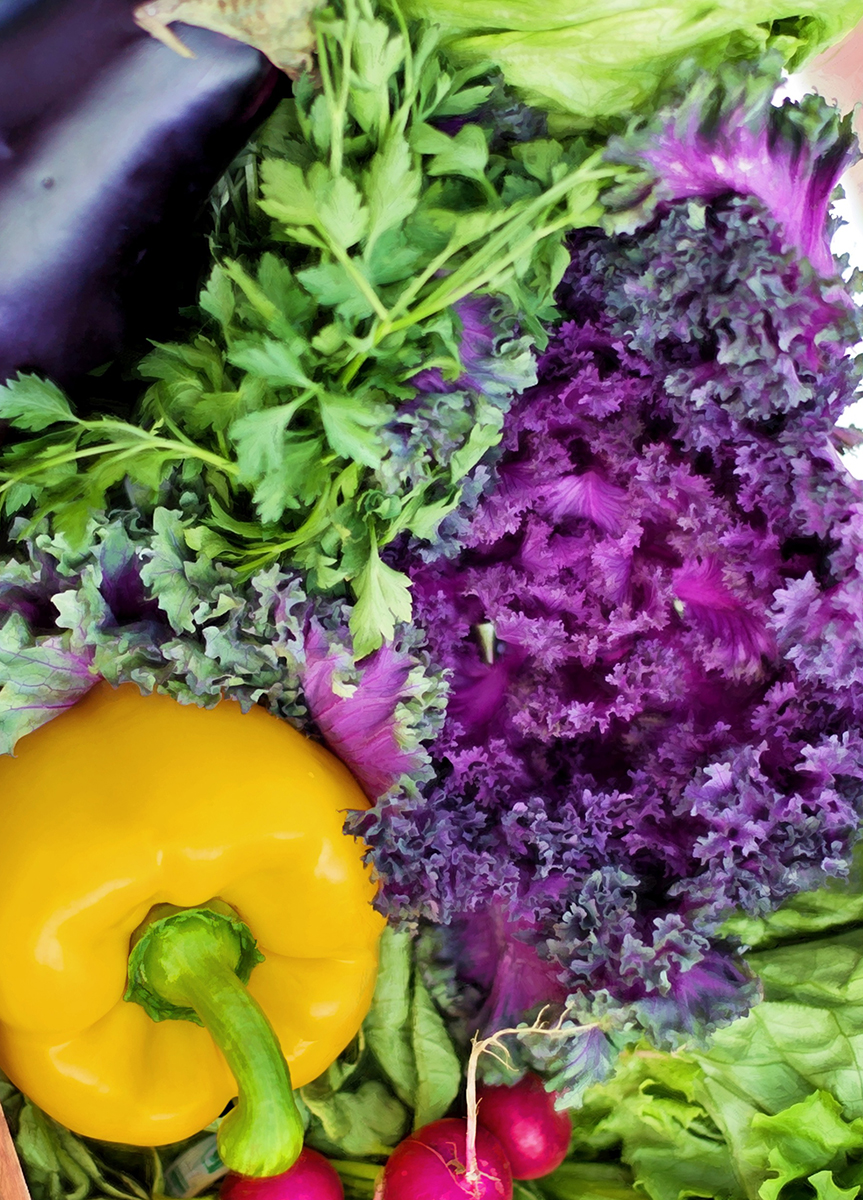
Vergrößern durch Klicken
Gesunder Salat
Fasting Cures: Support for the acid-base balance
Fasting cures have long been part of natural healing concepts in various cultures.
This further developed metabolic cure is new in that it protects the body from toxins released from fat stores and supplies vital nutrients that the cells need for their metabolism and recovery.
Weight reduction is a side effect of detoxification, deacidification, and regeneration.
This cure can also be used for maintaining health and 'body forming' (i.e., you lose weight specifically in 'problem areas').
Pain is significantly reduced after the cure as a result of metabolic regeneration and deacidification, and you need significantly fewer pain medications. Overloading and incorrect loading of structures due to excess weight is reduced.
Weight reduction in turn has a direct effect on your circulation and metabolism, so that, for example, you need fewer circulatory medications and can eliminate your diabetic metabolic condition.
I would like to cordially invite you to an informal exchange of experiences on vital substance-supported pain therapy. Just talk to me or my team about it – we look forward to seeing you!
Gut Health and Microbiome
The gut is also referred to as the "second brain" of the body because it has its own nervous system, which influences or helps control various processes in the body.
Did you know that a large part of the happiness hormone serotonin is produced not by the brain but by the gut?
The close relationship between gut and psyche is shown, for example, in irritable stomach or bowel or in a "gut feeling".
The gut also has the most contact with the outside world. The surface is approximately twice as large as that of the lungs and a hundred times larger than the skin surface. So no wonder that the largest immune organ of the body is located here. About 70% of all defense cells are located there.
If the colonization of the intestine becomes unbalanced or if this protective barrier becomes leaky through various (pleasure) toxins, the immune system is weakened, susceptibilities to infections and other diseases, hypersensitivities to otherwise normal foods, as well as mood disorders up to depression are the result.
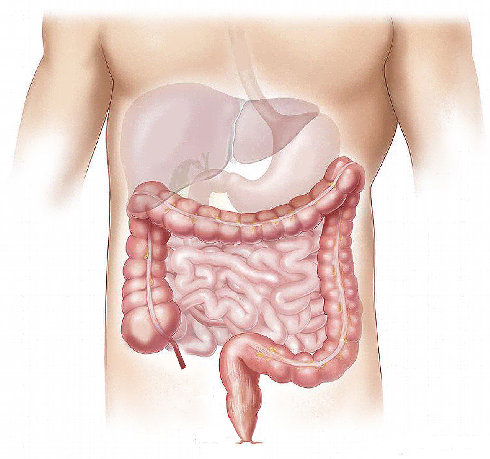
Vergrößern durch Klicken
Der Darm - unser zweites Gehirn
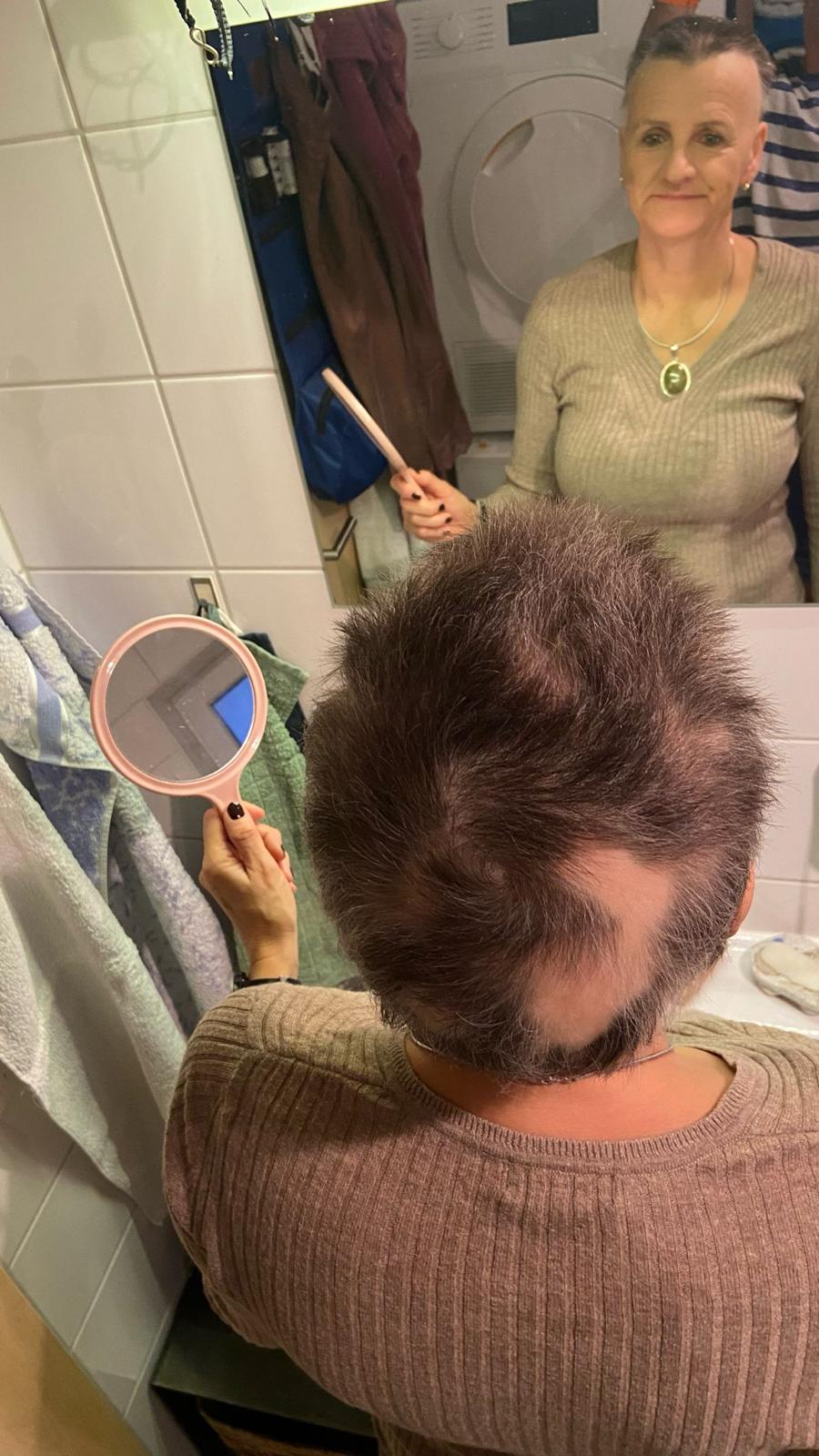
Vergrößern durch Klicken
Nutrition.content.image_gallery.before1

Vergrößern durch Klicken
Nutrition.content.image_gallery.before1

Vergrößern durch Klicken
Nutrition.content.image_gallery.after1

Vergrößern durch Klicken
Nutrition.content.image_gallery.after1

Vergrößern durch Klicken
Nutrition.content.image_gallery.before2

Vergrößern durch Klicken
Nutrition.content.image_gallery.before2

Vergrößern durch Klicken
Nutrition.content.image_gallery.before2

Vergrößern durch Klicken
Nutrition.content.image_gallery.after2
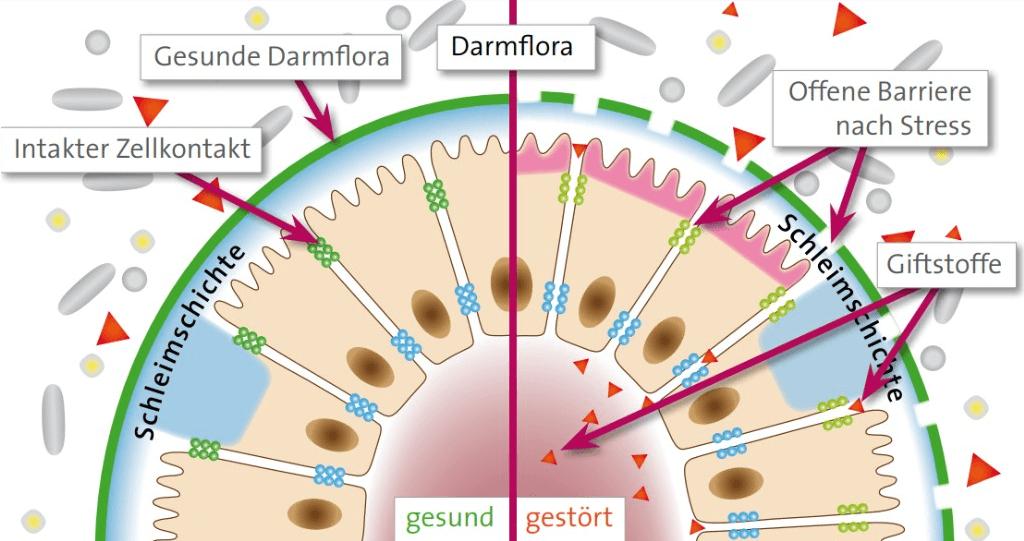
When a stressed gut "loses its nerves"
- •Stress destroys the intestinal barrier
- •Leaky gut after exposure to stress
Vergrößern durch Klicken
Comparison of a healthy and impaired intestinal barrier
For example, our modern lifestyle with excessive hygiene, low-fiber diet, refined sugar, massive use of pleasure toxins such as alcohol, nicotine and coffee, glyphosate residues in food, antibiotic residues in animal foods, medicines such as anti-inflammatories but also emotional stress has led to drastic changes in the intestinal flora.
We are colonized by a variety of bacteria, fungi, viruses, worms and other single-celled organisms (such as algae, amoebae, flagellates), from which we ideally benefit because they provide important vitamins for us or strengthen us immunologically by building tolerance.
As long as parasites colonize us in limited numbers, they weaken the reaction to pollen and own body cells and thereby reduce allergies and autoimmune reactions.
In addition, diseases such as high blood pressure, cardiovascular diseases, obesity, diverticulosis and -itis, dementia and cancer are only a problem in industrialized societies.
Numerically, our own cells compared to the "foreign mass" are estimated to be approximately equal. (Older estimates assumed a significant majority.)
New findings are that all organs are colonized and have their own healthy microbiome.
Through industrialization, we have lost about 40-50% of microbiome diversity.
There are multiple interactions between the human microbiome and metabolism. This even influences which genes are activated and which are not. Estimates are that even 80% of health can be related to our "environmental conditions".
Through our nutrition and lifestyle, we largely have these factors in our own hands.
Gut Health Questionnaire
Is your gut really healthy?
Download QuestionnaireYou can download this questionnaire, fill it out and bring it to the consultation.
0 of 23 questions answered
| Question | Never 0 Sometimes 1 Often 2 Always 3 | |||
|---|---|---|---|---|
1.I have more than 5 bowel movements per day | ||||
2.I have bloating | ||||
3.I always have bloating after eating, no matter what I eat | ||||
4.I feel tired after eating | ||||
5.I have very irregular bowel movements | ||||
6.I alternate between constipation and diarrhea | ||||
7.I have pain in my lower abdomen | ||||
8.I always have soft and thin stools | ||||
9.I have sticky stools (sticks to the toilet bowl) | ||||
10.I have a burning sensation during bowel movements | ||||
11.I have an itching sensation in the anal area | ||||
12.I have 'smelly' stools | ||||
13.I have to strain a lot to pass stools | ||||
14.I have hemorrhoids | ||||
15.I have very dry stools | ||||
16.Even after a bowel movement, I don't feel good in my stomach | ||||
17.I always feel bloated | ||||
18.I have cravings for sweets | ||||
19.I have a coated tongue | ||||
20.I have smelly gas | ||||
21.I have impure skin | ||||
22.I am an allergy sufferer | ||||
23.I frequently have infections | ||||
This questionnaire is for guidance only and does not replace medical diagnosis. If you have health problems, please consult a doctor.
Make an Appointment

Pain Clinic Dr. Med. Siegrid C. Schapitz
Robert-Koch-Strasse 7, 63263 Neu-Isenburg
06102 370607
06102 370608
Consultations by appointment only